
How the psychology of gambling influences players at Pin Up
The Allure of Risk and Reward
The psychology of gambling is deeply rooted in the concepts of risk and reward, which play a crucial role in attracting players to platforms like Pin Up. The thrill of potentially winning significant amounts can be intoxicating, motivating players to engage in games that they might not otherwise consider. This high-stakes environment taps into the natural human desire for excitement, leading to a cycle of betting that can be hard to break. Join the excitement at PinUp BD as the promise of a big win can often overshadow the potential for loss, making players more willing to take risks.
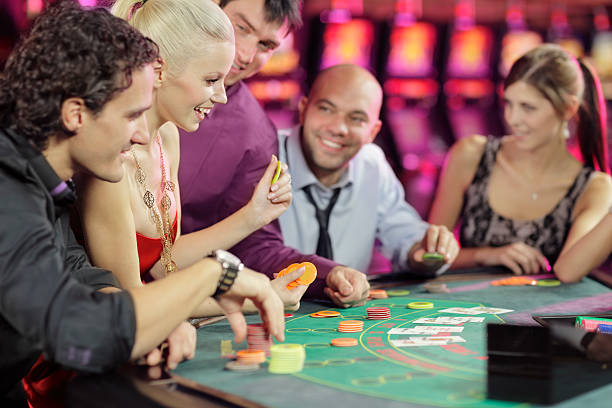
Many gamblers experience what is known as the “near-miss” phenomenon, where they come close to winning without actually achieving it. This feeling can create a sense of false hope, driving players back to the gaming tables or machines in search of that elusive victory. As players continue to chase these near-misses, they often develop an emotional connection to their games, investing more time and resources in the hope of achieving a win. This cycle perpetuates the engagement, creating a high level of involvement that can sometimes lead to compulsive behavior.
Moreover, the design and structure of games at Pin Up Bangladesh are strategically crafted to enhance this risk-reward allure. Colorful graphics, engaging sound effects, and the overall excitement of gameplay can manipulate a player’s emotions. The more enjoyable and stimulating the experience, the more likely players are to return, contributing to a thriving gaming culture. This environment encourages players to take risks that they might normally avoid, altering their decision-making processes and fostering a deeper attachment to the platform.
The Role of Cognitive Biases
Cognitive biases play a significant role in how players perceive their experiences at online casinos like Pin Up. For instance, the gambler’s fallacy leads many to believe that past events will influence future outcomes, especially in games of chance. Players might think that a certain number is “due” for a win after a series of losses, prompting them to place additional bets in hopes of capitalizing on what they perceive as patterns. This fallacy can lead to impulsive decisions, further entrenching players in their gambling habits.
Additionally, confirmation bias can impact players’ experiences by reinforcing their beliefs about their gambling strategies. When players win after a particular betting choice, they are more likely to remember that instance and continue to use the same strategy, ignoring the times when it led to losses. This selective memory creates a skewed perception of their gambling skills and can lead to more extensive play, often to their detriment. Such biases can cloud judgment, making it challenging for players to recognize when they should take a break or adjust their strategies.
The psychology behind these biases highlights the need for self-awareness among players. Understanding the way cognitive biases can distort thinking is essential for responsible gaming. Platforms like Pin Up can aid in this by providing resources and tools to help players recognize these tendencies and foster a healthier approach to gambling. With a more informed perspective, players can enjoy their gaming experiences without falling prey to the traps set by their own psychology.
Emotional Attachment to Gambling
The emotional attachment that players develop to their gambling experiences is another critical psychological factor that influences behavior at Pin Up. Gamblers often associate specific games or experiences with positive emotions, which can lead to a strong desire to return to those activities. This emotional connection can create a sense of comfort and familiarity, making it difficult for players to step away, even in the face of losses.
This attachment can become particularly pronounced in social gambling settings, where interactions with other players add a layer of enjoyment. At Pin Up, the presence of live dealer games fosters a social environment that enhances the overall gaming experience. Players may find themselves drawn back not only for the chance to win but also for the community and camaraderie that these games provide. The shared experiences of winning and losing can amplify emotional investment, making it even more challenging to maintain a balanced approach to gaming.
Furthermore, the highs and lows of gambling can create a rollercoaster of emotions that players may seek out repeatedly. The adrenaline rush from a win can lead to a craving for more, perpetuating a cycle of play. However, when wins are overshadowed by losses, players may experience frustration or despair, which can lead to an increased desire to gamble in hopes of recovering their losses. This emotional rollercoaster can have profound effects on mental health and well-being, underscoring the importance of moderation and self-regulation in gambling.
The Influence of Marketing and Promotions
The marketing strategies employed by online casinos like Pin Up play a significant role in shaping player behavior. Promotions, bonuses, and incentives are designed to entice players into joining and engaging with the platform. The substantial welcome bonus and free spins, which create an immediate sense of value, are particularly effective in attracting new players and fostering deeper engagement with the site.
Marketing tactics often exploit psychological triggers, such as scarcity and urgency. For example, time-limited offers can create a fear of missing out (FOMO) that compels players to act quickly, often leading to impulsive decisions. This urgency can cloud judgment and encourage players to gamble more than they initially intended. Additionally, consistent exposure to promotional material can reinforce gambling behavior, making it feel more normal and acceptable in everyday life.
As players become accustomed to the promotional landscape, they might start to expect bonuses and incentives as part of their gaming experience. This expectation can create a dependency on promotions for engagement, leading players to feel disappointed when they don’t receive them. The continuous cycle of seeking these bonuses can blur the lines between responsible gaming and compulsive behavior, making it crucial for players to recognize the impact of marketing on their gambling habits.

Pin Up: A Gaming Platform with Awareness
Pin Up is not just an entertainment platform but also an environment that recognizes the psychological elements influencing its players. The wide array of games, from slots to live dealer options, caters to diverse preferences while providing resources aimed at promoting responsible gaming. The platform actively encourages players to set limits and provides tools to help them manage their gambling activities.
Additionally, Pin Up is committed to educating its users about the psychology of gambling and the potential risks associated with excessive play. By raising awareness and providing support, the platform aims to create a safer gaming experience that minimizes negative outcomes. It recognizes that fostering a responsible gaming environment is crucial not only for players’ well-being but also for the integrity of the gaming community.
Overall, the interplay between psychological factors and gaming behavior at Pin Up underscores the importance of understanding the intricacies of gambling psychology. By blending exciting gaming experiences with a commitment to player safety and awareness, Pin Up stands out as a platform that not only offers entertainment but also values its players’ mental health and responsible gaming practices.